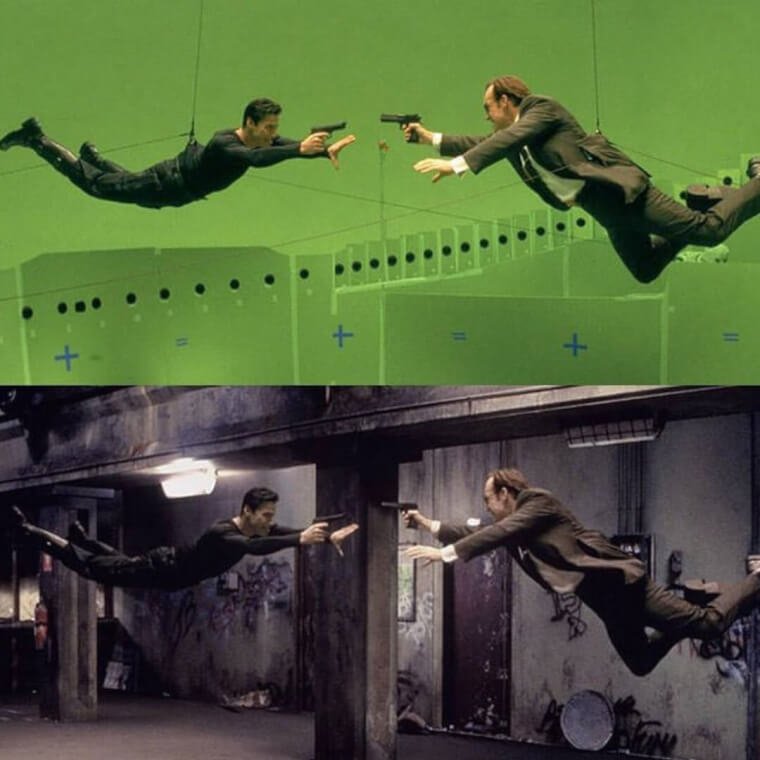
The silver screen has always been a portal to other worlds, a place where dragons soar, stars collide, and love stories unfold against impossible odds. We sit in darkened theaters, captivated by the spectacle, often unaware of the intricate tapestry woven behind the scenes. This hidden realm, full of "Detrás de Cámaras y Curiosidades" – the behind-the-scenes secrets and fascinating curiosities – is where the true magic of filmmaking is born. It's a world of immense effort, ingenious solutions, unexpected challenges, and even a few candid, human moments that make the cinematic experience all the richer.
From the meticulous planning of every shot to the spontaneous improvisation that makes a scene unforgettable, the journey of a film from script to screen is nothing short of an odyssey. Understanding this journey not only deepens our appreciation for cinema but also reveals the dedication, creativity, and sheer willpower of the thousands of artists and technicians who bring these visions to life.
At a Glance: Unveiling the Cinematic Curtain
- The Hidden Labors: Discover the colossal effort and meticulous planning that underpins every film production, from rehearsals to set construction.
- Evolution of Illusion: Trace the fascinating history of special effects, from practical trickery like chocolate blood to cutting-edge digital wizardry.
- Star Stories & Set Shenanigans: Get a peek into the lives of actors on set, including surprising choices, dedication to craft, and candid moments that humanize the icons.
- Iconic Moments, Untold Origins: Learn the ingenious tricks and creative decisions behind some of cinema's most memorable scenes and sounds.
- Cinema's Deeper Impact: Understand how film, often called the "Seventh Art," reflects and influences society, going beyond mere entertainment.
The Unseen Symphony: Crafting Cinematic Worlds
When you settle in to watch a film, you're experiencing the culmination of countless hours of invisible work. What happens detrás de cámaras is often more complex and intriguing than the finished product suggests. Filmmaking isn't just about capturing images; it's about building entire universes from scratch, demanding a blend of artistic vision, technical prowess, and relentless problem-solving.
Consider the meticulous preparation involved in bringing a musical to life, like the vibrant world of La La Land (2016). Behind the flawless dancing and heartfelt singing, Emma Stone and Ryan Gosling spent untold hours in rehearsals, perfecting every step, every note, every nuance of their chemistry. These aren't just actors showing up on set; they are dedicated artists immersing themselves fully in their roles, transforming themselves through rigorous practice. The effortless grace you see on screen is the result of painstaking repetition and the sheer physicality of performance.
Beyond the performers, an army of craftspeople constructs these worlds. Costume designers pour over historical texts, creating wardrobes that speak volumes about character and era, as seen in the detailed process of designing for Stanley Kubrick's A Clockwork Orange (1971). Set designers meticulously plan environments, whether it’s the grandeur of the Titanic or the isolated terror of the Overlook Hotel. Every prop, every piece of furniture, every splash of paint is deliberately chosen to enhance the narrative.
Even grand, sweeping epics like James Cameron's Titanic (1997) rely heavily on this collaboration. The iconic image of Cameron directing Leonardo DiCaprio and Kate Winslet on set, surrounded by the immense, partially constructed ship, speaks volumes about the scale of the endeavor. It's a testament to how complex interactions between director, actors, and an entire crew coalesce into a cohesive vision. The effort to immerse audiences in the opulent, doomed liner required not just acting talent, but monumental set construction, engineering, and coordination.
From Primitive Projections to Digital Dreams: The Evolution of Movie Magic
The journey of filmmaking began with humble origins, captivating audiences with simple moving images. The Lumière brothers' groundbreaking projection of workers leaving a factory was a marvel in its time, demonstrating cinema's unique power to capture and reflect reality. From these nascent steps, the art form, often dubbed the "Seventh Art" for its ability to combine visual art, sound, and narrative, quickly evolved.
Early filmmakers were pioneers in illusion, inventing clever tricks to bring fantastical elements to life. In Alfred Hitchcock's chilling Psycho (1960), for example, the infamous shower scene's "blood" was actually chocolate syrup – a testament to resourceful practical effects. Decades earlier, the colossal ape in King Kong (1933) was brought to life not by computer graphics, but by a meticulously crafted animatronic puppet and stop-motion animation, a groundbreaking feat of its era. These early curiosities showcase the ingenuity of filmmakers who had to invent solutions from scratch.
As technology advanced, so did the potential for cinematic spectacle. The sound of a lightsaber in Star Wars, for instance, wasn't some futuristic invention; it was ingeniously crafted by combining the hum of a 35mm projector with the whir of an electric motor. These sonic details are often overlooked but are critical to creating an immersive experience. Similarly, the dramatic height difference between hobbits and humans in The Lord of the Rings trilogy was achieved through a mix of forced perspective, clever camera angles, and sophisticated set designs, sometimes even employing different-sized furniture or stand-ins to maintain the illusion of scale even when characters were seated.
Today, special effects have reached astonishing heights, blending practical elements with advanced CGI to create truly believable worlds. In films like I Am Legend (2007), the desolate, overgrown New York City and the terrifying creatures that inhabit it are a seamless fusion of physical sets, matte paintings, and complex digital rendering. This continuous evolution means that the "behind the scenes" of a film today looks vastly different from what it did a century ago, yet the core drive to tell compelling stories remains unchanged.
Star Stories and Set Shenanigans: Humanizing the Icons
One of the most engaging aspects of "Detrás de Cámaras y Curiosidades" is the glimpse it offers into the personalities and processes of the actors themselves. These aren't just characters; they are people, often with fascinating stories and unexpected moments during production.
Take Natalie Portman's Oscar-winning performance in Black Swan (2010). Her portrayal of a tormented ballerina was incredibly convincing, a feat achieved partly because she dedicated herself to learning classical ballet, enduring intense training that profoundly shaped her physical and mental approach to the role. This commitment goes far beyond memorizing lines; it's about embodying the character's entire world.
Sometimes, the curiosities are lighter. Imagine Gandalf, the powerful wizard from The Lord of the Rings, checking his email on set in his full costume, or Stanley Kubrick taking a selfie on the eerie set of The Shining (1980) – these moments reveal the human side of even the most iconic productions. They remind us that behind the epic tales and terrifying scenes are people doing their jobs, albeit in extraordinary circumstances. We might even catch a glimpse of Bill Murray bringing his unique brand of dry wit to the stop-motion animation set of Fantastic Mr. Fox (2009), adding unexpected humor to the typically meticulous process.
Actors sometimes make choices that reshape cinematic history. Did you know that Leonardo DiCaprio famously turned down the role of Anakin Skywalker in Star Wars: Episode I - The Phantom Menace (1999)? This decision highlights the many paths an actor's career can take and the impact of such choices on beloved franchises. His choice allowed him to pursue other challenging roles, further cementing his reputation for dramatic depth.
Other curiosities show us the genuine camaraderie and playful spirit that can develop on set. A candid photo of "It" (Pennywise the Dancing Clown from the 1990 miniseries) relaxed and smiling between takes offers a stark contrast to his terrifying on-screen persona. Similarly, Robert Rodriguez and Rose McGowan sharing a laugh on the set of Planet Terror (2007) underscores the collaborative and often fun atmosphere, even amidst gruesome special effects. Even a seasoned star like Tom Hanks on the set of Forrest Gump (1994) offers a window into the intense focus required to deliver such a nuanced, memorable performance.
Iconic Scenes, Unexpected Origins: The Craft of Storytelling
Many of the most indelible moments in film history are not just the product of grand visions, but often clever, practical solutions devised on the spot. Peeking detrás de cámaras reveals how these magic tricks are pulled off.
Consider the memorable floating books in Harry Potter and the Half-Blood Prince (2009). While easily dismissed as CGI today, the effects for such scenes often began with practical rigs, wires, and creative puppetry before any digital enhancements. This blend of the tangible and the digital is a hallmark of effective modern filmmaking. Another often-referenced example is the "modern moment" where a pair of Converse sneakers are visible in a promotional photo for Sofia Coppola's Marie Antoinette (2006). While some considered it a gaffe, it was an intentional choice meant to subtly inject a contemporary punk rock sensibility into the historical period, a small detail that sparked significant discussion about artistic interpretation.
Even scenes that seem utterly repulsive in their realism often rely on ingenuity rather than genuine squalor. The infamous "toilet scene" in Trainspotting (1996), where Ewan McGregor dives headfirst into a disgusting toilet, was filmed with surprising practicality. The "toilet" was a prop, clean and gleaming, filled with a mixture of milk, chocolate, and other edible substances, making the dive less hazardous (though no less unpleasant conceptually for the actor). It's a prime example of how filmmakers create convincing discomfort without putting actors in actual danger.
Then there are the technical marvels, like the set of Back to the Future Part III (1990), which meticulously recreated a sprawling Old West town. The level of detail in these sets, often built in remote locations, speaks to the commitment to authenticity that defines so much of cinematic artistry. Every plank, every dusty barrel, every period costume transports the audience directly into the film's world, whether historical or fantastical. And when we look at Hugo Weaving on the set of The Matrix (1998) surrounded by multiple identical "Agent Smith" heads, we gain insight into the innovative, multi-faceted approaches used to create the iconic cloning effect – a mix of practical props, visual effects, and meticulous planning.
These "curiosidades" are more than just trivia; they're lessons in creative problem-solving, revealing the artistic and technical decisions that make a film truly timeless.
Beyond the Lens: Cinema as a Mirror and a Megaphone
Ultimately, the stories unveiled by "Detrás de Cámaras y Curiosidades" extend beyond individual films to encompass the broader impact of cinema on society. Film, as the "Seventh Art," has always been more than just entertainment; it's a powerful medium for reflecting reality, challenging norms, and influencing collective consciousness.
From the pioneering work of the Lumière brothers, capturing everyday life, to masterpieces like Citizen Kane (1941) that pushed narrative and technical boundaries, cinema has continuously evolved as a form of expression. Films like Casablanca (1942), while a romantic drama, also served as a poignant piece of wartime propaganda, subtly reflecting the political anxieties and moral dilemmas of its era. This dual role—as a narrative art form and a social tool—underscores its enduring significance.
Filmmakers and their crews, through their tireless efforts, don't just create movies; they create cultural touchstones. They give us heroes to cheer for, villains to fear, and stories that resonate long after the credits roll. The behind-the-scenes insights highlight the dedication to these deeper connections—the pursuit of truth, emotion, and impact—that elevate cinema beyond mere distraction.
Whether it’s the intense focus required to bring a character like Jack Sparrow to life across multiple Pirates of the Caribbean films (2017) or the subtle nods to modern culture in period pieces, every detail, every decision made detrás de cámaras, contributes to a film's ultimate message and its place in our shared cultural narrative. Exploring the unseen aspects of filmmaking helps us understand the profound ways in which these stories shape our world and inspire community. Indeed, the appreciation for shared cultural experiences and the communities they foster is a universal thread. To delve deeper into the vibrant tapestry of collective endeavors, you might Explore Comunidad Montepinar. Understanding the hidden layers of cinematic creation mirrors the richness found in any thriving community.
The Ever-Unfolding Story of Filmmaking
The world of "Detrás de Cámaras y Curiosidades" is a testament to human ingenuity, collaboration, and passion. It's a reminder that every frame of a movie, every character line, every special effect, is the product of immense creativity and hard work. By peeking behind the curtain, we gain a deeper appreciation not just for the final product, but for the entire ecosystem of talent that brings these cinematic dreams to life.
So, the next time you sit down to watch a film, remember the unseen efforts, the ingenious solutions, and the unexpected moments that happened far from the spotlight. These hidden stories are just as compelling as the ones on screen, and they continually enrich our understanding of what makes movies truly magical. They are a constant source of wonder, prompting us to look closer, think deeper, and appreciate the art of filmmaking in all its glorious complexity.