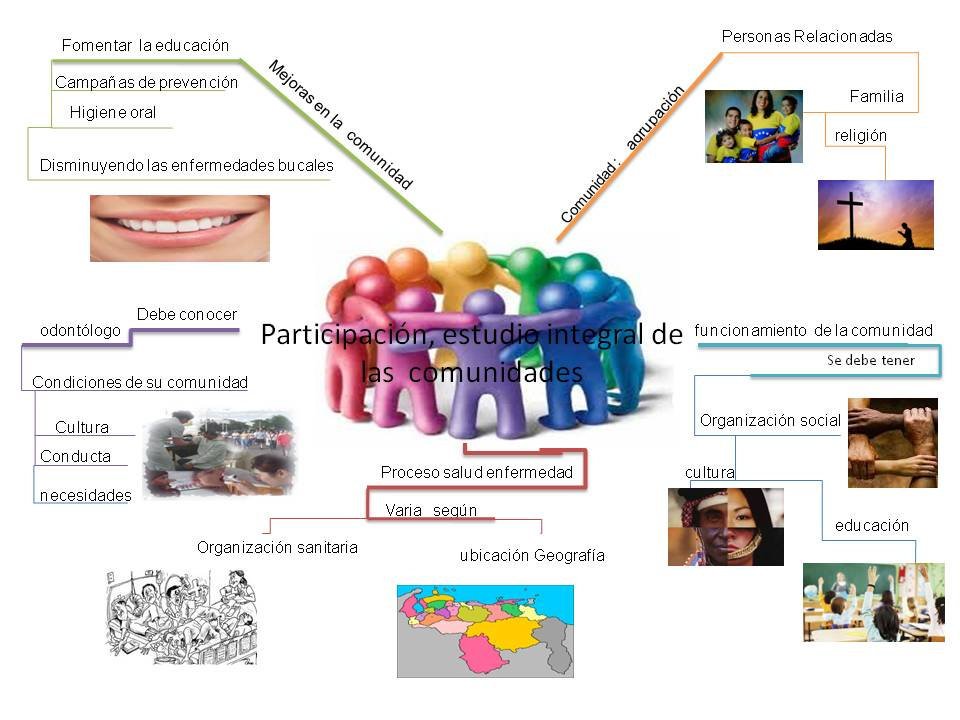
When a local park becomes a hotspot for vandalism, or students in one neighborhood consistently underperform despite adequate school funding, how do you pinpoint the real issues? The answer often lies in a powerful, systematic approach known as Community and Location Analysis—or, as our Spanish-speaking colleagues might term it, "Análisis de la Comunidad y Locaciones." It’s not just about collecting data; it's about understanding the intricate web of needs, resources, and social dynamics that define a place, allowing us to move beyond assumptions and craft solutions that genuinely work.
This isn't an academic exercise confined to textbooks. It's a vital tool for anyone looking to make a tangible, positive difference in a neighborhood, city, or rural area – from policymakers and non-profit leaders to grassroots organizers and concerned citizens.
At a Glance: Your Guide to Community & Location Analysis
- What it is: A systematic process to understand a community's needs, resources, and dynamics.
- Why it matters: Pinpoints underlying problems, fosters local participation, and creates effective, tailored solutions.
- Key components: Demographics, local organizations, available resources, and social networks.
- How it's done: Combines quantitative data (surveys, statistics) with qualitative insights (interviews, observation).
- The payoff: Leads to sustainable development, stronger social cohesion, and programs that truly make an impact.
Why Dive Deep into Your Community? The Power of "Análisis de la Comunidad y Locaciones"
Imagine trying to fix a complex machine without first understanding how its various parts interact. You might tinker with one component, only to find the problem persists or worsens elsewhere. The same principle applies to communities. Community and Location Analysis provides that essential diagnostic map. It’s a sociological methodology, a systematic process designed to evaluate the precise needs, existing resources, and the dynamic interplay within a community. Its ultimate goal? To develop effective intervention strategies that are rooted in reality, not guesswork.
This deep dive involves gathering both hard numbers (quantitative data) and rich stories (qualitative data). These are the twin lenses through which we view socioeconomic, cultural, and demographic issues. By understanding these facets, we can identify critical problems and uncover hidden opportunities for improvement. It helps us grasp how communities are organized, the strength of their social cohesion, and how they respond to external influences and challenges. In essence, it answers the fundamental question: what makes this place tick?
The Cornerstone Components: What Makes Up a Community?
Before you can solve a community's problems, you need to know its essence. Community analysis breaks this down into several key, interconnected components. Think of these as the fundamental pillars holding up the community structure, each providing crucial information for a complete picture.
Population & Demographics: The Human Blueprint
Who lives here? This isn't just about headcounts. It involves understanding the characteristics of individuals: their age distribution (are there many young families, or a growing elderly population?), gender balance, ethnicity, income levels, education attainment, and employment status. Demographic data can reveal health disparities, educational gaps, or even potential labor force shortages. For instance, an aging population might signal a greater need for healthcare services and accessible public spaces.
Organizations & Groups: The Architects of Influence
Every community has its formal and informal institutions. These include schools, churches, non-profits, local businesses, residents' associations, sports clubs, and even less structured groups like neighborhood watch committees. These entities are powerful influencers; they can be sources of support, resistance, or collaboration. Identifying them helps you understand existing power structures, communication channels, and potential partners for your initiatives. They are often the best vehicles for enacting change from within.
Resources: The Tools at Hand
What does the community have to work with? This component inventories available assets, both tangible and intangible. Think social services (clinics, food banks), public spaces (parks, libraries, community centers), infrastructure (transportation, internet access), and economic resources (local businesses, job opportunities). But don't forget human capital – the skills, knowledge, and leadership within the community itself. A vibrant community might boast a strong network of volunteers or a wealth of skilled tradespeople, resources that might be overlooked without a thorough analysis.
Social Networks: The Invisible Threads
This element delves into the interactions and connections between individuals and groups. How do people communicate? Who trusts whom? Are there strong bonds of social cohesion, or is the community fragmented? Understanding these networks is vital because they determine how information flows, how collective action is organized, and how resilient a community is in the face of adversity. Strong social networks can be powerful conduits for change, spreading ideas and mobilizing support far more effectively than top-down directives. Exploring participatory methodologies can further strengthen these networks and their impact on community development. exploring participatory methodologies
Unpacking the "Why": How Community Analysis Drives Real Change
The benefits of a well-executed community analysis extend far beyond simply collecting data. It's a catalyst for empowerment, efficiency, and sustainable progress. When you truly understand a community, you can unlock its potential.
- Detailed Understanding of Internal Dynamics: Moving past superficial observations, analysis reveals the underlying forces at play – the unspoken rules, historical grievances, and shared aspirations that shape daily life.
- Pinpointing Problems & Needs for Targeted Interventions: This is perhaps the most direct benefit. Instead of broad, generic solutions, you can identify specific, often localized, issues. This allows for laser-focused interventions that address the root causes, not just the symptoms.
- Fostering Active Community Participation: When residents see that their insights and experiences are valued and directly inform solutions, they are far more likely to engage. Analysis often involves community members directly, transforming them from passive recipients to active collaborators.
- Designing More Effective & Adapted Policies: Decisions are no longer made in a vacuum. Policies and programs are custom-fit to the local reality, increasing their chances of success and ensuring they resonate with the people they are meant to serve.
- Facilitating Sustainable Development: By understanding resources and needs, communities can plan for long-term growth and resilience, ensuring that improvements are not fleeting but enduring. This helps in building a foundation for local sustainable development. strategies for local sustainable development
- Promoting Citizen Participation & Social Cohesion: The process itself can be a unifying force, bringing diverse groups together to work towards common goals, thereby strengthening community bonds and trust. It can reveal the importance of intangible elements like social cohesion and trust, which are critical for collective well-being.
- Adaptability Across Diverse Contexts: Whether it's a bustling urban district, a remote rural village, or a specific cultural enclave, the principles of community analysis remain flexible and effective, allowing them to be tailored to unique circumstances.
Your Toolkit for Discovery: Mastering Quantitative & Qualitative Methods
An effective community analysis is like a master chef's recipe: it combines a variety of ingredients, some measured precisely, others added by feel, to create a truly rich and nuanced dish. This means blending both quantitative (numbers-based) and qualitative (experience-based) methods.
The Quantitative Lens: Measuring the Landscape
Quantitative methods provide the broad strokes, the statistical truths that paint a picture of prevalence and scale. They help us answer "how many?" or "how often?".
- Surveys: These are powerful tools for gathering data from a representative sample of the population. Well-designed surveys can capture opinions, behaviors, and demographic information efficiently. For example, a survey might reveal that 70% of residents feel unsafe walking in their neighborhood after dark, providing a clear metric for concern.
- Censuses: National or local censuses offer detailed demographic information across an entire population. They provide foundational data on age, gender, household composition, income, and housing conditions, acting as a baseline for all further analysis.
- Official Statistics: Governments and public agencies compile a wealth of data on everything from crime rates and public health indicators to educational attainment and economic trends. Accessing these existing statistics can provide immediate insights into a community's standing on various issues without needing to conduct new primary research.
The Qualitative Eye: Understanding the Experience
Qualitative methods delve deeper, seeking to understand the "why" behind the numbers, exploring perceptions, motivations, and lived experiences. They bring the human element to the data.
- In-depth Interviews: One-on-one conversations with key informants (community leaders, long-term residents, service providers) or affected individuals can yield rich, detailed narratives. These personal stories offer profound insights into individual experiences, challenges, and aspirations that statistics can never fully capture.
- Focus Groups: Bringing together a small group of people (typically 6-10) for a guided discussion can uncover shared perceptions, attitudes, and cultural norms. The group dynamic often encourages participants to explore ideas and perspectives they might not express in a one-on-one setting. For instance, a focus group with parents might reveal common frustrations about after-school programs that a survey wouldn't fully explain.
- Participant Observation: This method involves the researcher actively observing and, in some cases, participating in community activities. By immersing themselves in the daily life of the community, researchers can gain a visceral understanding of social dynamics, cultural practices, and unwritten rules. This can be invaluable for understanding the flow of public spaces or the dynamics of local gatherings.
- Community Mapping: More than just drawing boundaries, community mapping involves residents in creating visual representations of their community's assets, challenges, and significant locations. It can highlight everything from informal gathering spots to areas perceived as unsafe, often revealing insights that traditional maps miss.
- Statistical Analysis: While often seen as purely quantitative, the interpretation of statistical analysis often requires qualitative understanding. For example, understanding why school attendance is low in a particular area, even if you have the numbers, requires qualitative insights into family circumstances, transportation, or cultural values.
Combining these techniques provides a robust, multi-faceted understanding of a community. You use the quantitative data to identify patterns and areas of concern, and then employ qualitative methods to explore the stories and reasons behind those patterns. This holistic approach is key to effective community project management. community project management
From Insight to Impact: Identifying Problems & Forging Solutions
The real power of community analysis lies in its ability to translate raw data and rich stories into actionable strategies. It's not enough to simply know what's wrong; the goal is to develop effective solutions that make a tangible difference. The process is crucial for identifying both evident and underlying problems, providing invaluable information for planning and executing programs that truly resonate.
Here's how community analysis moves from diagnosis to intervention, illustrated by practical examples:
Case 1: Overcoming Barriers to Health Services
- Problem Identified by Analysis: In a specific urban area, official statistics show high rates of preventable diseases, but surveys reveal low clinic attendance. In-depth interviews with residents expose significant barriers: a lack of affordable public transportation to clinics located far away, and limited childcare options preventing parents from attending appointments. Some residents also expressed distrust in existing healthcare providers.
- Solution Forged: Armed with this insight, local health authorities and community groups collaborate. They implement mobile clinic services that visit underserved neighborhoods on a rotating schedule, bringing healthcare directly to residents. Simultaneously, a community-led initiative organizes a volunteer-based childcare exchange system to support parents attending clinic visits, coupled with outreach programs focused on building trust with specific cultural groups.
- Impact: Increased clinic attendance, earlier detection of health issues, and a noticeable decline in preventable disease rates, particularly among vulnerable populations.
Case 2: Tackling Environmental Hazards
- Problem Identified by Analysis: Community mapping in an industrial zone reveals multiple "hot spots" where residents report chronic respiratory issues and notice unusual odors. Environmental surveys confirm elevated levels of specific pollutants linked to nearby factories. Focus groups with residents highlight their long-standing concerns, feeling unheard by authorities.
- Solution Forged: The community analysis provides concrete evidence for advocacy. Local environmental groups collaborate with residents to present findings to municipal authorities. This leads to a multi-pronged approach: stricter environmental regulations for industrial emissions, enhanced monitoring, and the integration of green zones and buffer parks between residential areas and industrial sites, improving air quality and providing recreational spaces.
- Impact: Reduced air pollution, improved public health indicators (especially respiratory health), and enhanced quality of life through new green infrastructure.
Case 3: Enhancing Community Safety
- Problem Identified by Analysis: Crime statistics show a spike in petty theft and vandalism in specific residential blocks. Participant observation and community mapping reveal these areas are poorly lit, with overgrown vegetation providing hiding spots, and few visible residents during evening hours. Residents in interviews express fear and avoid walking outside after dark.
- Solution Forged: Local resident associations, utilizing the analysis findings, successfully lobby the city council for a public lighting improvement project. This involves installing brighter, energy-efficient LED streetlights and trim overgrown bushes. Concurrently, a "Lights On" campaign encourages residents to keep porch lights on, and a community walking group is initiated, increasing visible activity and fostering a sense of collective ownership over public spaces. This directly leads to understanding social impact assessment and improving urban planning. understanding social impact assessment
- Impact: A significant drop in crime rates, increased evening outdoor activity, and a palpable improvement in residents' sense of safety and well-being.
Case 4: Bridging Educational Gaps
- Problem Identified by Analysis: School performance data indicates a persistent achievement gap in a particular district compared to national averages. Further analysis through surveys and interviews with teachers, parents, and students points to several factors: limited access to educational resources at home (e.g., computers, internet), a lack of parental involvement due to work schedules, and a shortage of extracurricular academic support.
- Solution Forged: Community organizations, in partnership with local schools and a public library, establish after-school learning hubs. These hubs provide supervised access to computers and internet, offer free tutoring sessions led by volunteers, and organize workshops for parents on how to support their children’s learning despite busy schedules. They also secure grants for mobile "book buses" to reach homes with limited access to the library.
- Impact: A measurable improvement in student test scores and homework completion rates, increased parental engagement, and a more equitable distribution of educational resources across the community.
These examples illustrate that by methodically uncovering the nuances of a community, we can move beyond assumptions and implement solutions that are truly effective and sustainable. This groundwork is also essential for navigating community conflicts. community conflict resolution
Beyond the Data: Essential Skills for the Community Analyst
While tools and methodologies are critical, the human element in community analysis cannot be overstated. Certain skills are indispensable for those tasked with unraveling the complexities of a local area. Think of these as the soft skills that make the hard data shine.
- Capacity for Observation: The ability to see beyond the obvious, to notice unspoken cues, environmental details, and subtle interactions that reveal deeper truths about community life. It's about being present and perceptive.
- Critical Thinking: The skill to question assumptions, evaluate information from multiple sources, and identify underlying patterns or biases. It's about connecting the dots and understanding cause and effect, rather than just accepting surface-level explanations.
- Empathy: The capacity to understand and share the feelings of others. This is paramount when conducting interviews or observations, ensuring that community members feel heard, respected, and understood, fostering trust and encouraging open communication.
- Effective Communication: The ability to clearly articulate questions, listen actively, and convey complex findings in an accessible manner to diverse audiences, from residents to policymakers. It involves both verbal and written proficiency.
- Knowledge in Data Collection & Analysis: A foundational understanding of how to gather both quantitative and qualitative data ethically and rigorously, and how to interpret it accurately. This includes familiarity with survey design, interview techniques, and basic statistical interpretation.
- Teamwork: Community analysis is rarely a solo endeavor. The ability to collaborate effectively with diverse teams, including other researchers, community members, and stakeholders, is essential for a comprehensive and successful outcome.
- Understanding of Social & Cultural Dynamics: Recognizing how social structures, cultural norms, historical contexts, and power dynamics influence behavior and interactions within a community. This awareness helps in interpreting data correctly and avoiding ethnocentric biases.
Common Questions About Community Analysis
Community analysis, while powerful, can sometimes seem daunting. Let's tackle some frequently asked questions to demystify the process.
Q: Is Community Analysis Only for Large Cities or Major Issues?
A: Absolutely not. The principles and methodologies are scalable and adaptable to any size of community, from a small rural village to a specific neighborhood within a mega-city. The issues might differ—a village might focus on water access, while a city neighborhood might prioritize youth engagement—but the systematic approach remains invaluable. It’s effective for both widespread problems and niche concerns.
Q: Is Conducting a Community Analysis Always Expensive and Time-Consuming?
A: Not necessarily. While comprehensive studies can indeed require significant resources, community analysis can be tailored to fit various budgets and timelines. Smaller, focused analyses using readily available public data and volunteer-led qualitative methods (like neighborhood walks or informal interviews) can still yield powerful insights. The key is to define your scope clearly and leverage existing resources before investing in new, extensive data collection.
Q: How Long Does a Typical Community Analysis Take?
A: The duration varies widely depending on the scope, resources, and complexity of the community and the issues being investigated. A rapid assessment for a specific problem might take a few weeks, while a comprehensive analysis for long-term strategic planning could span several months to a year. It's an ongoing process, often requiring continuous monitoring and adaptation.
Q: Who Should Lead a Community Analysis?
A: Ideally, it's a collaborative effort. While an expert (like a sociologist, urban planner, or public health professional) might guide the methodology and data analysis, active involvement from community members, local organizations, and stakeholders is crucial. This ensures the analysis is grounded in lived experience and fosters ownership of the findings and subsequent solutions.
Q: What if the Analysis Reveals Uncomfortable Truths or Conflicts?
A: This is often precisely why community analysis is needed. It’s designed to uncover underlying issues, which can sometimes be sensitive or reveal existing tensions. A skilled analyst acts as a facilitator, presenting findings objectively and creating safe spaces for discussion. The goal isn't to create conflict, but to bring issues into the open so they can be addressed constructively, leading to more resilient communities. For instance, sometimes the analysis might lead to uncovering issues similar to what might be found when you Explore Comunidad Montepinar.
Ready to Act? Your Next Steps in Community Empowerment
Understanding your community through a diligent Análisis de la Comunidad y Locaciones isn't just about collecting facts; it's about building a foundation for real, sustainable progress. By systematically exploring demographics, resources, organizations, and social networks, and by employing both quantitative and qualitative methods, you equip yourself with the insights needed to diagnose challenges accurately and design interventions that truly resonate.
The journey from data points to impactful solutions requires observation, critical thinking, empathy, and a commitment to collaborative action. Whether you're a seasoned community developer or a concerned citizen taking your first steps, embrace the tools and techniques outlined here. Your community is rich with untold stories and untapped potential. With the right analysis, you can help uncover them, fostering a stronger, healthier, and more vibrant place for everyone. The time to listen, learn, and act is now.